Sector Expertise
Deep subject-matter knowledge across the sectors we work in. We don't just correct grammar – we understand the substance.
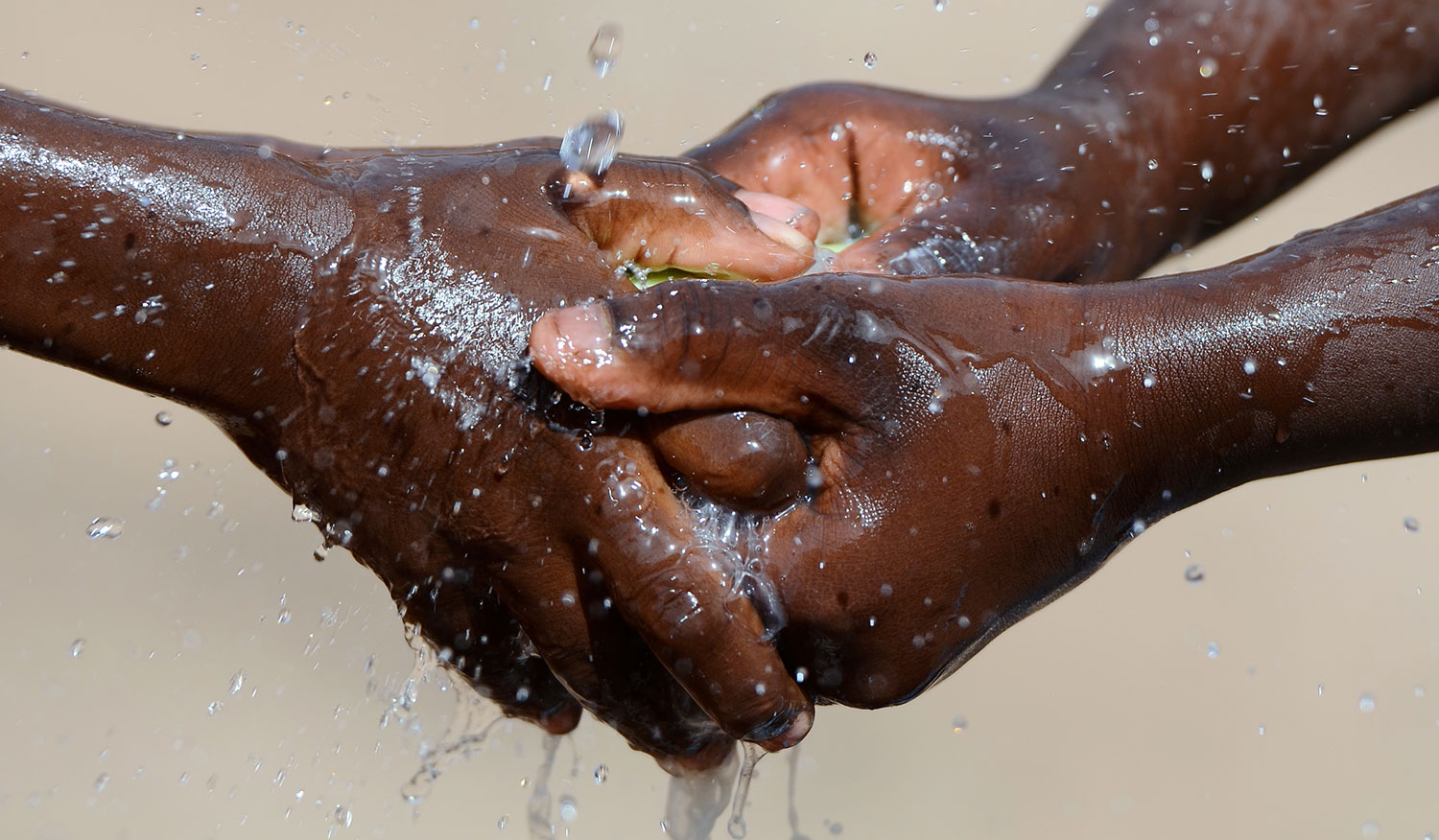
Public Health & Clinical Guidelines
We have edited and produced clinical guidelines, systematic reviews, evidence syntheses, digital accelerator kits, manuals, toolkits and technical health publications for more than two decades. Our editors understand the GRADE methodology that underpins modern clinical guideline development – the systematic assessment of evidence quality, the formulation of recommendations and the careful language that distinguishes strong from conditional guidance. This is not generic proofreading; it requires editorial staff who can read an evidence table and know what it means.
Our public health portfolio spans sexual and reproductive health, infectious and non-communicable diseases, self-care, maternal and newborn care standards, ageing, mental health, antimicrobial resistance, immunisation and more. We work across the full guideline development cycle – from support with drafting through to detailed technical editing and revisions and onward to design and layout. Our editors understand how critical it is that the language is precise, unambiguous, clinically sound and technically accurate.
We also produce annual flagship health reports, technical briefs and surveillance publications where data presentation, statistical accuracy and epidemiological terminology all need to meet the standards expected by clinical and public health audiences worldwide.
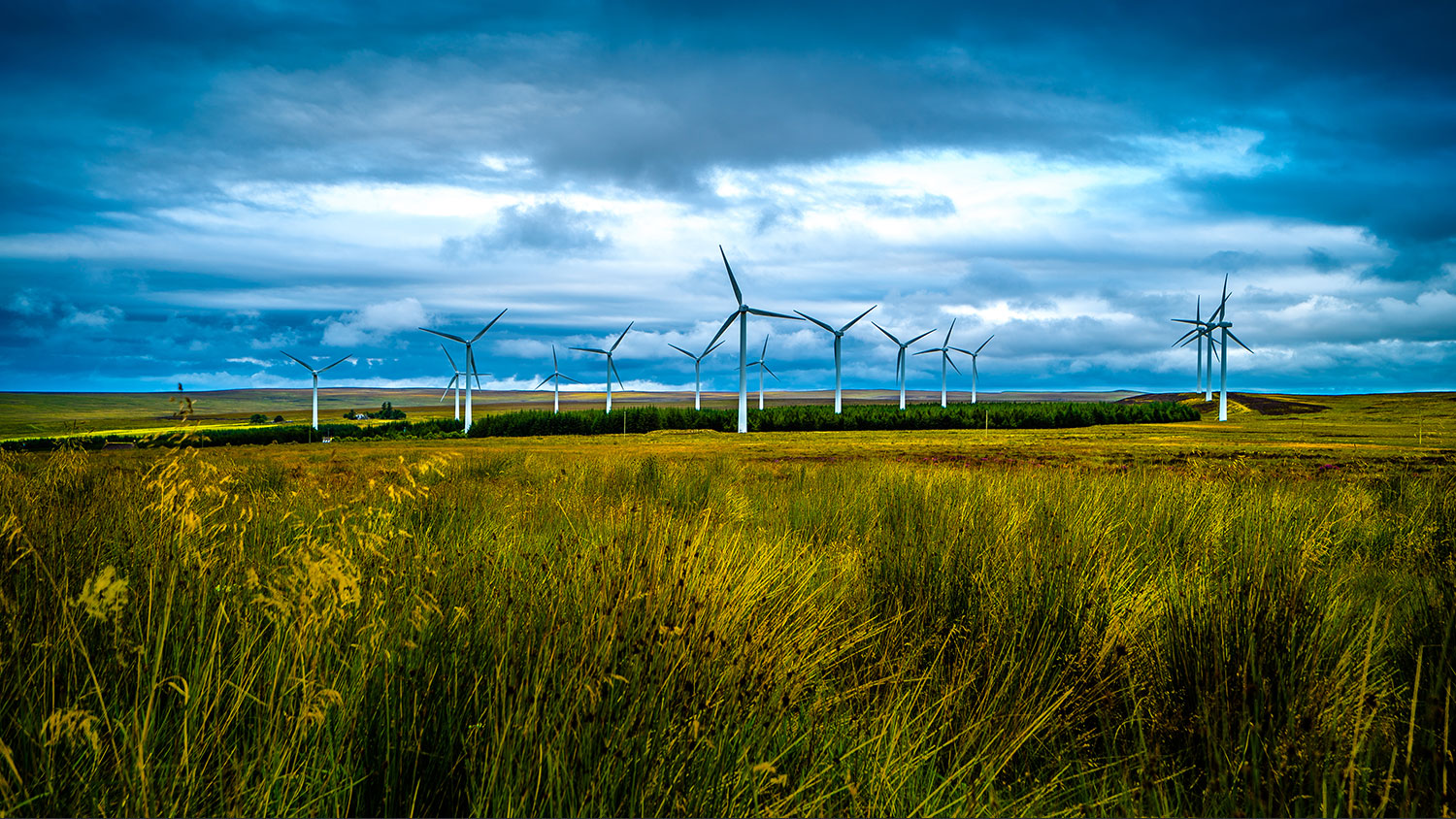
Climate & Environment
Climate publications often sit at the science–policy interface – a space where technical accuracy and accessible communication both matter equally. We produce everything from annual flagship reports on climate adaptation to documents on emissions reduction pathways and environmental policy for organisations whose publications shape global and national climate strategies. These are documents read by ministers, policy-makers, negotiators and technical advisors, and need to be produced to the highest editorial standards.
Our climate work covers greenhouse gas inventories, reports on nationally determined contributions, loss and damage frameworks, climate finance flows, adaptation and mitigation plans and strategies, and biodiversity assessments. We understand the terminology, the nuance and the careful distinction between what the science says and what the policy recommends. We know the difference between adaptation and mitigation, between a pathway and a scenario, and between a commitment and a pledge – distinctions that matter when the text is cited in policy debates.
We also produce technical briefs, country profiles and synthesis reports that distil complex climate science into actionable policy guidance – without losing the rigour that gives these documents their authority.
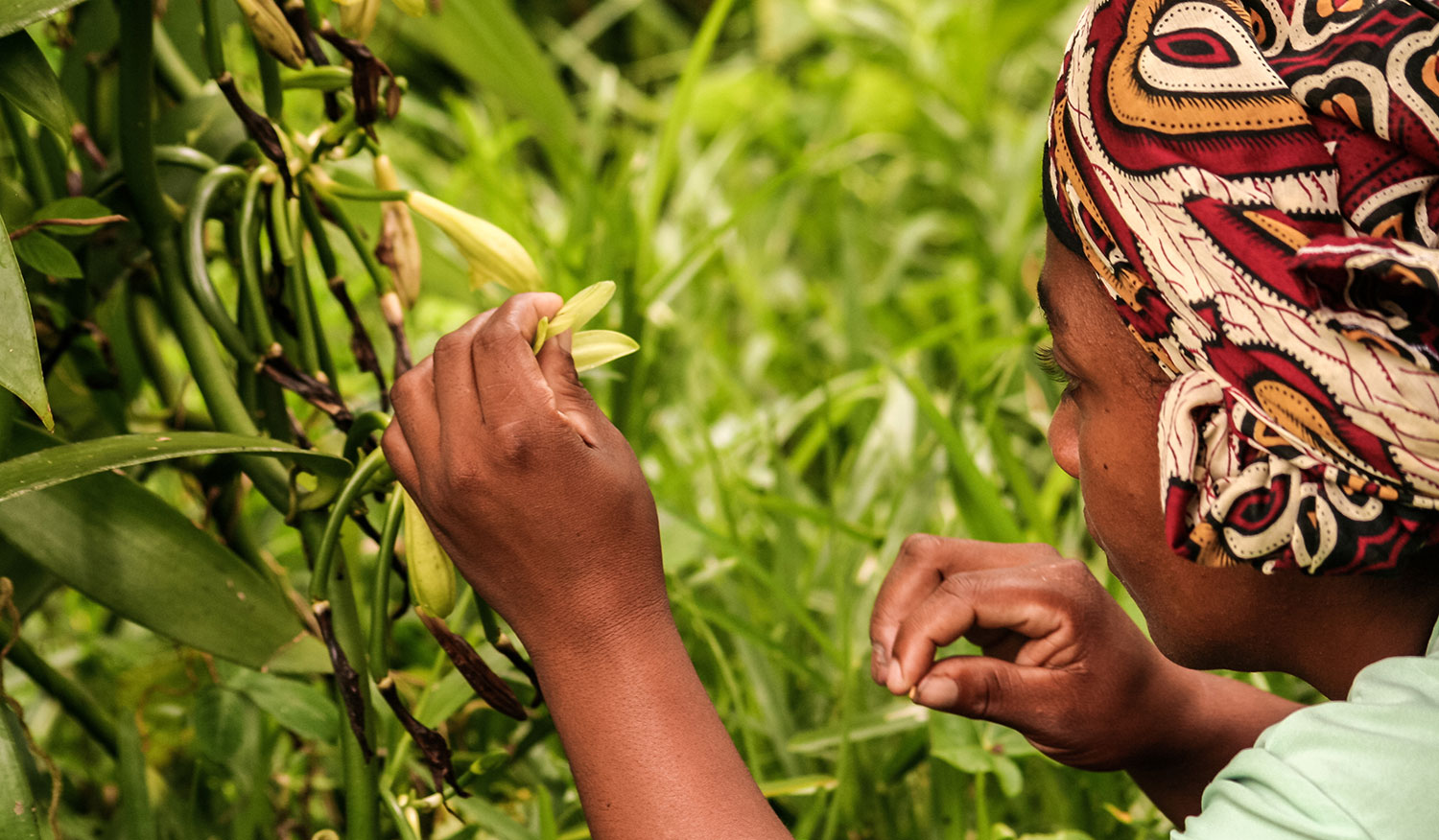
Agriculture, Food Systems and Natural Resource Management
We have editors who can move fluently between agricultural commodity market analysis, agroforestry practice, food safety regulation, integrated water management and sustainable farming systems. The editorial challenge is to make often highly technical content accessible to the policymakers, programme designers and development practitioners who use it.
Our team has produced publications covering global food price indices, agricultural trade policy, livestock production systems, improved crop varieties and farming methods, water rights, indigenous land rights and rural development strategies – all requiring both technical accuracy and clear communication to diverse readerships.
We work on flagship and annual reports, market outlook reports, technical and working papers, training manuals, and policy documents on subjects like food system transformation, crop diversification and soil health, post-harvest losses, nutrition, climate-smart agriculture, smallholder finance mechanisms and much more. These publications often combine economic modelling, field-level agronomic data and policy recommendations in a single document – and the editorial team needs to handle all three registers competently. We understand the difference between a supply chain and a value chain, between food security and food sovereignty, and between yield gap analysis and productivity benchmarking.
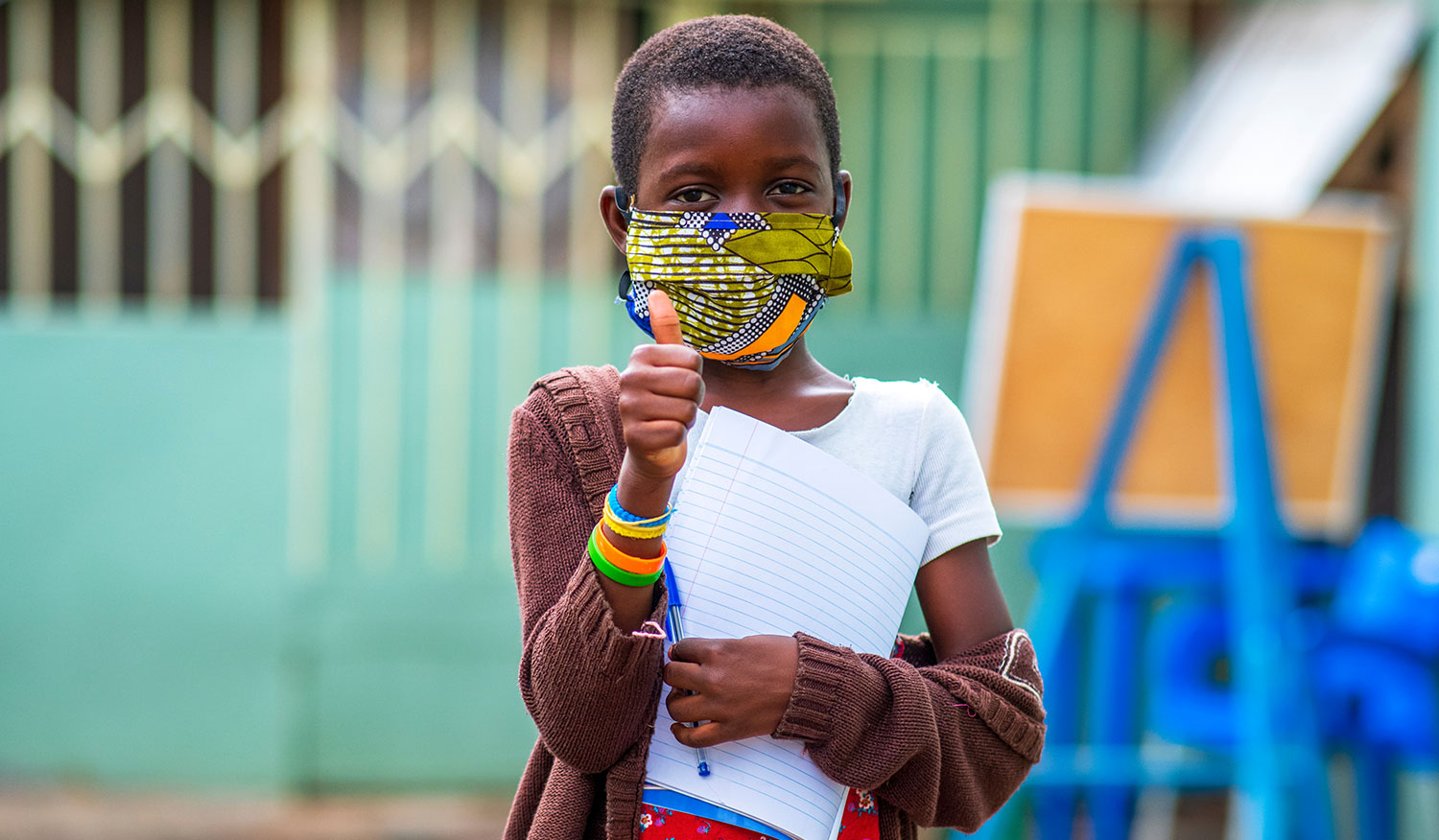
International Development
Development publishing covers an enormous range of subjects – disability inclusion, child labour, education, early childhood development, gender equality, child marriage, prevention of violence against women and children, nutrition, climate impacts, migration, water and sanitation, social protection and humanitarian assistance to name just a few. We have worked across all of them. Our editors are fluent in the terminology and jargon, they understand evidence frameworks, results-based management language, and the wider international development context – and they can navigate the political sensitivities that come with publishing in this space.
We produce country strategies, partnership frameworks, annual reports, donor reports, evaluation syntheses, lessons learned documents and policy briefs. These documents often need to serve multiple audiences simultaneously – governing boards, development professionals, implementing partners, governments, donors and the general public – and the editorial approach has to balance technical credibility with broad accessibility. Our development portfolio also includes child protection reports, WASH programme evaluations, education system assessments and gender analysis frameworks – publications where the stakes are high because the findings directly influence programme design and funding allocation.
We understand the institutional publishing requirements: house styles, approval workflows, clearance processes and the specific formatting expectations of multilateral organisations. Green Ink has operated as a specialist UN communications support agency for more than two decades, managing publications across a wide range of UN system organisations.